


Morning eye discomfort catches a lot of people off guard. That first blink can feel scratchy or raw, long before you’ve even had your coffee. Tears do a lot of quiet work overnight, and when that process gets interrupted, the surface of your eye can dry out and become irritated.
Most morning eye pain comes down to your eyes making fewer tears while you sleep, plus factors like allergies, screen habits, or an eyelid issue that need a closer look. A dry eye assessment can pinpoint the cause, and small changes at home often bring real relief, though pain that lingers or blurry vision is worth mentioning to your optometrist.
What Morning Eye Pain Feels Like
You open your eyes, and something feels off right away. That first blink can sting. A few sensations tend to show up again and again:
- A burning or gritty feeling, as if sand got trapped overnight
- A sharp sting or tug every time you blink
- Redness that lingers after you get up
- Watery eyes that seem to overcompensate for dryness
- Blurry vision that clears after a few blinks
These feelings often fade within minutes, but pain that returns every morning deserves a closer look.
Common Reasons for Sore Eyes in the Morning
Your eyes go through plenty while you sleep, and a few culprits show up again and again. Here’s what’s likely going on.
Dry Eyes Overnight
Tear production drops while you sleep, so your eyes get less moisture spread across their surface for 7 or 8 hours straight.
Dry air makes this worse. A furnace, air conditioner, or ceiling fan running overnight can pull moisture from a bedroom and leave your eyes parched by morning, especially in winter, when indoor heat runs for weeks at a time.
Eye Allergies
Dust, pollen, and pet dander settle near your face and pillow overnight. Your eyes can react to that buildup with redness, itching, and swelling by the time you wake up.
Pets in the bedroom or an open window overnight give allergens even more time to collect close to your skin and eyes.
Eye Strain
Screen time before bed adds to the trouble too. Staring at a phone or tablet cuts your blink rate roughly in half, so your eyes are already dry and tired before you close them for the night.
Reading in dim light or focusing on a screen for hours can wear out your eye muscles as well, leaving them strained right when you’re trying to rest.
When the Problem Is Your Eyelids
Blepharitis happens when the oil glands along your lash line get blocked, leaving your eyelids crusty and sore by morning.
Pink eye can bring redness and irritation that feels worse after a night of rest. Some people sleep with their eyes slightly open too, which dries the surface and creates that raw, scratchy feeling at dawn.
Other Factors That Play a Role
A few other things can add to the mix, even when your eyes seem healthy otherwise:
- Sinus pressure builds behind your eyes overnight and creates a dull ache when you wake
- Sleeping in contact lenses starves your eyes of oxygen and traps irritation against the surface
- Certain medications, including some acne treatments, reduce how many tears you produce
- Tear production naturally slows with age, so mornings can feel drier as the years pass
How to Ease Morning Eye Pain
Small changes at night and during the day can calm your eyes by morning. Start here.
Simple Home Steps
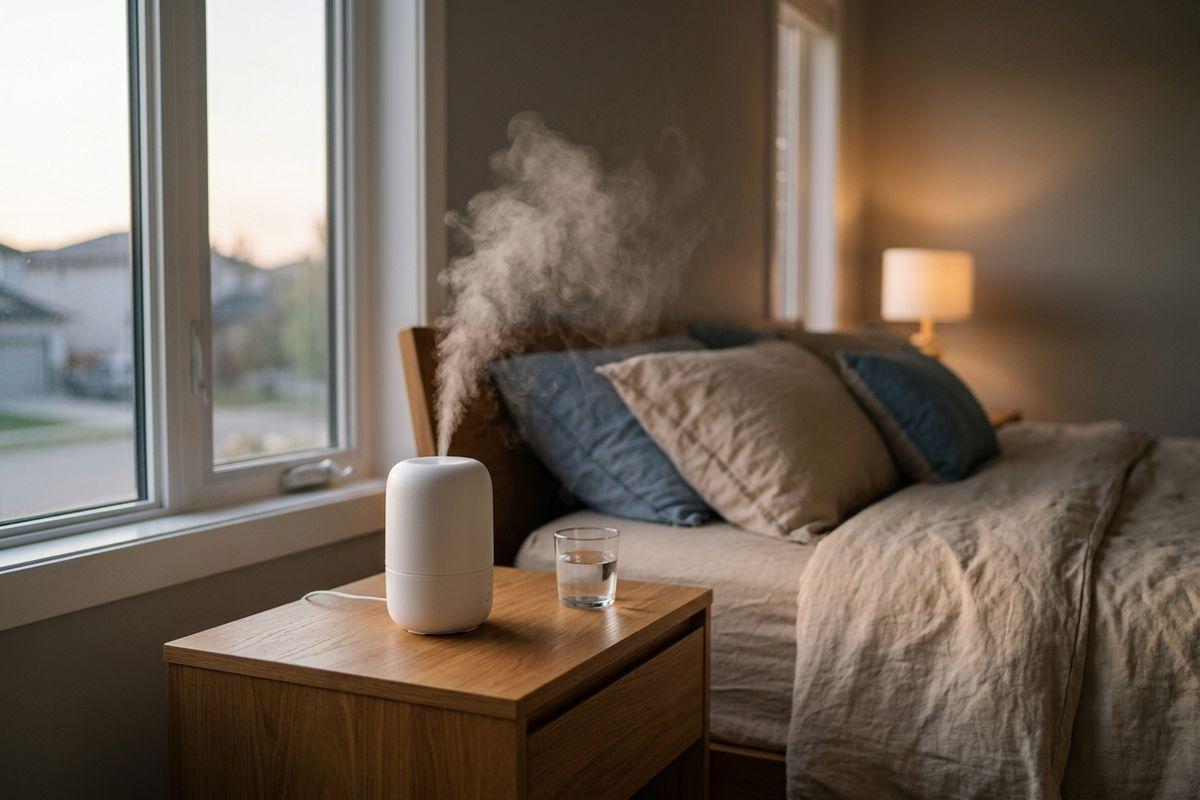
Add a humidifier to your bedroom to keep the air from drying out while you sleep. Use preservative-free artificial tears before bed to give your eyes a cushion overnight.
Press a warm compress over closed lids for a few minutes to loosen clogged oil glands, then wipe gently along your lash line to clear away buildup.
Build Better Daytime Habits
Drink water throughout the day so your body has enough fluid to produce tears. Put your phone down about 1 hour before bed and let your blink rate settle back to normal.
Swap contact lenses for glasses in the evening. That simple change lets your eyes breathe and recover before you close them for the night.
When to See an Optometrist
Most morning soreness eases with home care, but a few signs mean it’s time for a closer look. Book an appointment if you notice any of the following:
- Vision changes or new sensitivity to light
- Sharp pain that lasts the whole day instead of fading
- Thick discharge from your eye
- A pounding headache or nausea alongside the eye pain
- Eyes that stay red for more than a couple of days
Wake Up Without the Ache
A full eye exam paired with dry eye diagnostics can get to the bottom of your morning discomfort. In-clinic treatment can then target the source directly. If sleeping in contacts is part of the problem, a contact lens fitting can help you find a pair that suits your eyes better, day or night.
Sore mornings shouldn’t just be something you get used to. Book your visit with InVision Eyecare and find out what’s really going on with your eyes.