

The gritty, burning feeling of dry eye can make even simple tasks feel like a chore. You might find yourself blinking constantly, trying to clear away a blurriness that just will not go away. When your eyes feel this uncomfortable, you probably want to know why, but you may be surprised to learn that there are actually two types of dry eye.
The key difference is that aqueous deficiency dry eye is a problem with the amount of your tears, while evaporative dry eye is a problem with the quality of your tears. A thorough dry eye assessment is an important step toward pinpointing which type affects you and finding comfortable, lasting relief.
How Your Tear Film Affects Your Eyes
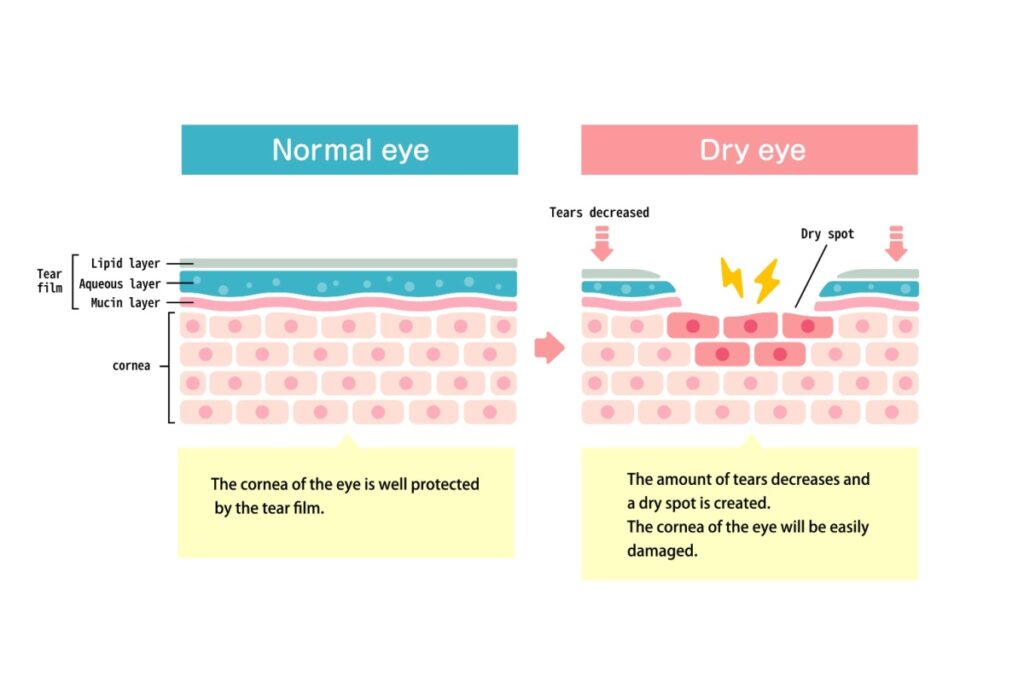
Your eyes depend on a stable layer of tears, called the tear film, to stay moist and healthy. This tear film acts as a protective shield for the surface of your eye. When something disrupts it, you may start to feel the irritating symptoms of dry eye.
Your tear film does more than just keep your eyes wet. It lubricates the eye’s surface so your eyelids can blink smoothly and comfortably. It also washes away small bits of dust and helps focus light so you can see clearly. A healthy tear film has the right balance of oil, water, and mucus layers.
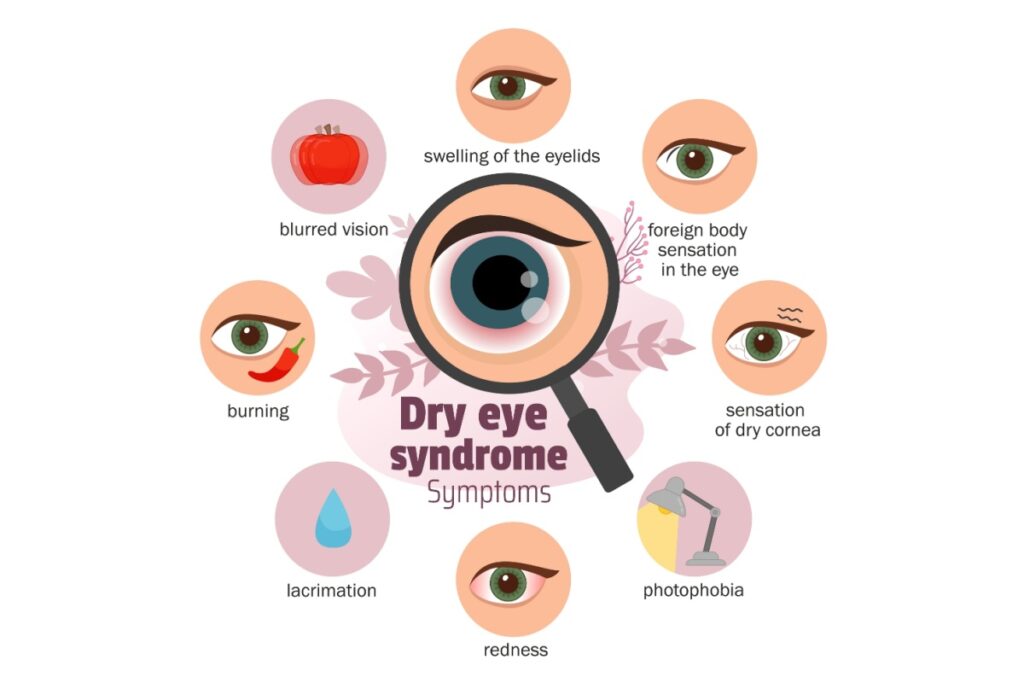
When the tear film is unstable, you might experience a range of symptoms, from redness to vision that seems blurry one moment and clear the next. Some of the most common signs include:
- A stinging or burning feeling
- A scratchy or gritty sensation
- Redness
- Blurry vision
- Watery eyes
- Light sensitivity
What Is Aqueous Deficient Dry Eye?
Aqueous deficiency dry eye happens when your glands do not produce enough of the watery part of your tears. Without enough of this liquid, your eye’s surface does not get the moisture it needs.
When your eyes cannot produce enough tears, every blink can create friction on the eye’s sensitive surface. You may feel like there is always something in your eye. This lack of moisture can also lead to blurry vision that comes and goes.
What Can Cause Low Tear Production?
Several factors can affect how many tears you produce:
- Aging
- Autoimmune conditions
- Hormonal changes
- Medical treatments
- Nerve damage
- Vitamin A deficiency
These factors may be preventing your glands from making enough fluid to keep your eyes properly lubricated.
What Is Evaporative Dry Eye?
Evaporative dry eye is the more common type of dry eye. It is a problem of balance, not volume. Your eyes may produce plenty of tears, but they evaporate from the eye’s surface before they have a chance to do their job.
If your tears evaporate too quickly, your eye’s surface is left exposed and unprotected. This can cause stinging, redness, and inflammation. You might even find your eyes watering excessively as they try to make up for the dryness.
What Can Cause Evaporative Dry Eye?
Your eyelids contain tiny meibomian glands that release a special oil every time you blink. This oil forms the top layer of your tear film and prevents the watery layer underneath from evaporating. When these glands become clogged, your tears lack this protective oil, allowing them to dry up fast.
This can happen for a number of reasons, including:
- Meibomian gland dysfunction
- Digital eye strain
- Eyelid issues
- Skin conditions around the eyes
- Improper contact lens wear
- Certain medications
- Exposure to wind, smoke, high altitudes, or dry air (such as air conditioning or indoor heating)
Find the Cause of Your Dry Eye Discomfort
A comprehensive dry eye assessment reveals exactly what’s happening with your tears. Your optometrist will examine your eye’s surface for signs of damage, measure how quickly your tears evaporate, and evaluate your meibomian glands. These diagnostic tests pinpoint whether you’re dealing with low tear production, poor tear quality, or both.
Explaining your symptoms—when they happen and what they feel like—is equally important. This conversation, combined with clinical findings, helps the team understand your unique situation and identify the root cause of your discomfort.
Personalized Dry Eye Therapy
Once you know which type of dry eye you have, a personalized plan can help manage your symptoms effectively. The goal of any dry eye treatment is to restore balance to your tear film and provide long-term comfort.
For aqueous deficiency dry eye, treatment focuses on adding and conserving moisture. This might include specific lubricating drops to supplement your natural tears, or procedures that help keep the tears you produce on your eyes for longer.
For evaporative dry eye, treatment addresses the oil glands in your eyelids. Dry eye therapy may include in-office treatments designed to gently warm and clear these glands, restoring the protective oil layer to your tear film.
Dry Eye Relief Is Within Reach
You do not have to live with the constant distraction of dry, irritated eyes. Our team at InVision Eyecare can determine whether your issue is tear amount or tear quality and offer lasting comfort.
We’re ready to conduct a detailed assessment to develop a plan tailored to your specific needs. Schedule an exam to get a clear diagnosis and find relief.