

That gritty, scratchy feeling in your eyes can turn a good day into a frustrating one. You might find yourself blinking constantly or reaching for eye drops, only for the irritation to return. This persistent discomfort can make it hard to focus on your work, enjoy a good book, or even drive comfortably.
When you feel like you have tried everything for your dry eyes, it can be disheartening. At InVision Eyecare, our team helps patients find lasting solutions. Punctal plugs are a dry eye treatment option that can offer relief by helping your eyes retain their natural moisture. They provide a simple way to keep your tears where they belong; on the surface of your eye.
Recognize the Signs of Dry Eye
Dry eye feels different for everyone, but some common signs point to the underlying condition. You might just feel like your eyes are tired, but it could be caused by issues with your tears. Pay attention to how your eyes feel throughout the day.
You may be experiencing dry eye if you notice:
- A gritty or scratchy feeling, like sand is in your eye
- Redness or general irritation
- Watery eyes—this happens when your eyes overproduce tears to combat the dryness
A Simple Look at Punctal Plugs & Relief
What They Are
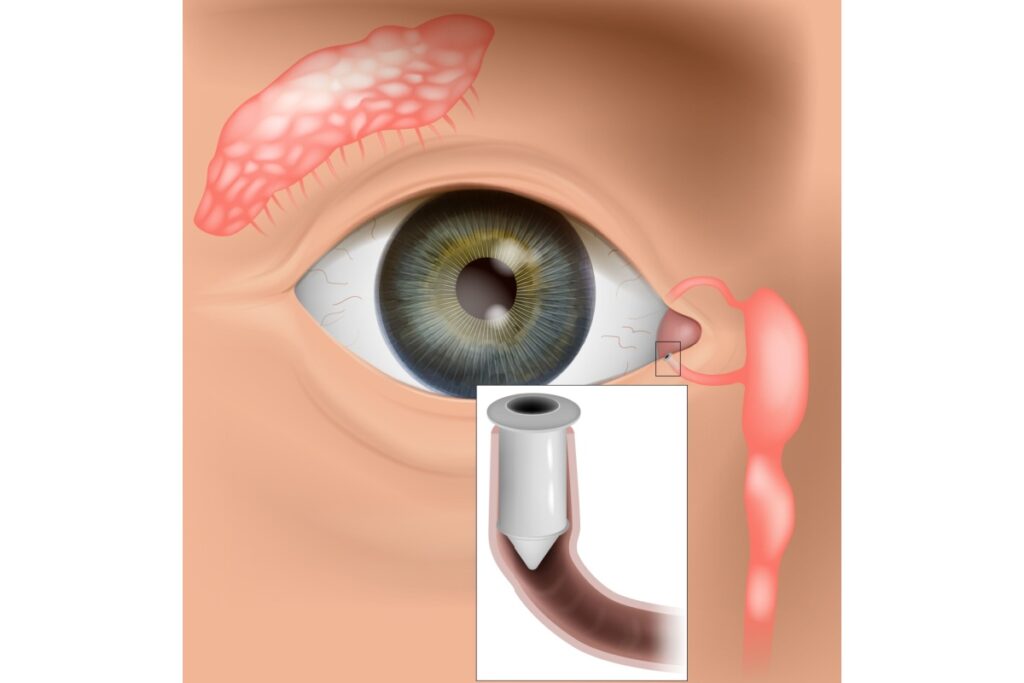
Think of punctal plugs as tiny stoppers for your tear ducts, the small openings in the corner of your eyelids. These little devices are made of a soft, flexible material that rests comfortably in the tear duct, so you do not feel them once they are placed.
Their job is simple yet effective. By partially blocking the duct where tears drain away, they help keep your eye’s surface coated in your own natural tears for a longer period of time.
How They Keep Your Eyes Comfortable
Your natural tears are a key source of moisture for your eyes. Punctal plugs help you make the most of them. By conserving the tears your body produces, the plugs help maintain a healthier tear film across your eye.
This can lead to a noticeable reduction in dryness, burning, and irritation, which are symptoms often linked to conditions like Meibomian Gland Dysfunction. For many people, it also means needing to use artificial tear drops less often. The result is a more consistent feeling of comfort that lasts throughout your day.
The Process for Punctal Plugs
Before any procedure, the first step is to get a clear picture of your eye health. A thorough assessment with a comprehensive eye exam helps determine if this type of dry eye therapy is a suitable option for you.
If punctal plugs are right for you, the placement is quick and straightforward. Here is what you can expect:
- An eye care professional examines your eyes and tear film.
- The doctor gently places the small plugs into the tear ducts.
- You can return to your daily activities right away with no downtime.

Who Can Benefit From This Dry Eye Therapy
Punctal plugs can be a helpful solution for many people who struggle with dry eye symptoms. You might find them particularly beneficial if you have tried other methods without getting the lasting comfort you need.
This option is often considered in these situations:
- You experience persistent dry eye symptoms that affect your daily life.
- Artificial tears and other eye drops do not seem to provide enough relief.
- You find your contact lenses are uncomfortable due to dryness.
Support Your Eye Health
Start With a Comprehensive Eye Exam
Finding the right path to relief starts with a conversation. During comprehensive eye exams, you can discuss your symptoms, health history, and lifestyle. This information helps your optometrist identify the factors contributing to your discomfort.
A complete examination of your eyes and tear quality is key. It allows a professional to build a clear picture of your ocular health and recommend a personalized approach for you.
Explore Your Dry Eye Treatment Options
Punctal plugs are one of several treatment options available for dry eye relief. Because dry eye can result from aqueous deficiency (not enough tears), evaporative dry eye (meibomian gland dysfunction), or a combination of both, effective treatment depends on identifying the root cause.
Depending on your specific condition, InVision Eye Care may recommend:
- Artificial tears: Preservative-free drops to restore hydration throughout the day
- Prescription eye drops: Target chronic inflammation, increase tear production, or improve tear quality
- Meibomian gland expression: Manual clearing of blocked oil glands to restore the lipid layer of your tear film
- Intense Regulated Pulsed Light (IRPL): Non-invasive light therapy to reduce inflammation and improve meibomian gland function for evaporative dry eye
- Punctal plugs: Prevent tear drainage to keep natural tears on your eye surface longer—ideal for aqueous-deficient dry eye
Many patients benefit from combining multiple treatments for optimal, lasting relief.
Get Relief from Dry Eye
Schedule a comprehensive dry eye evaluation at InVision Eye Care. During your exam, we’ll assess your tear production, tear quality, and meibomian gland health to identify what’s causing your symptoms and create a treatment plan that addresses the underlying problem, not just the discomfort.